


Hydrologists study how water moves through Australia's rivers, catchments, groundwater systems and landscapes.
In the water industry, you might investigate rainfall and river flows, monitor groundwater, model floods and droughts, or help plan how much water is available for communities and the environment.
You'll use scientific data, computer models and field observations to understand how water systems behave and how they may change over time.
Your work can help water utilities plan future supplies, manage dams and reservoirs, prepare for floods and droughts, and respond to the impacts of climate change.
You may work alongside engineers, environmental scientists, water planners and government agencies to make decisions that support long-term water security and healthy ecosystems.
By modelling water flows, assessing risks, and advising on climate adaptation, hydrologists help governments, utilities, and communities make science-based decisions that balance human, economic, and environmental water needs.
Ideal for individuals passionate about water systems, environmental sustainability, and climate resilience.
It suits analytical thinkers who enjoy combining fieldwork with data analysis, solving complex water-related problems, and communicating findings to support water management, policy, and planning.
They provide scientific data and modelling to support water management, infrastructure planning, flood risk assessment, drought mitigation, and environmental sustainability initiatives.
Their work underpins decisions about water allocation, climate resilience, and ecosystem health.
DAY TO DAY WORK
- Analysing rainfall, river flow, groundwater and other water resource data.
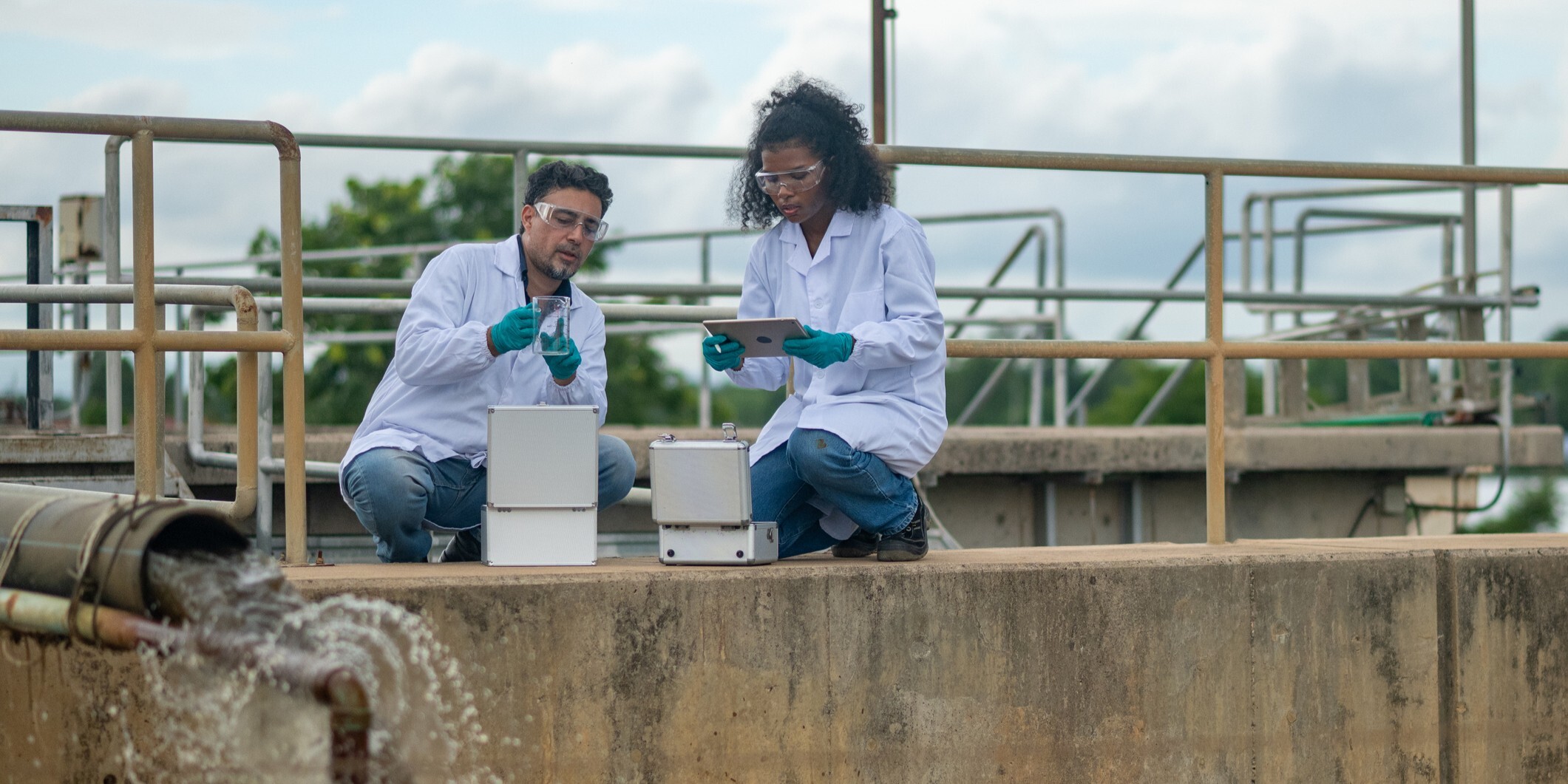
- Monitoring rivers, streams, groundwater systems and catchments.
- Developing computer models to predict water availability and river flows.
- Assessing the impacts of floods, droughts and climate change.
- Supporting the planning and management of water supplies.
- Helping determine how much water is available for communities, agriculture and the environment.
- Analysing catchment behaviour and how rainfall moves through landscapes.
- Supporting dam and reservoir operations and long-term water planning.
- Preparing technical reports, maps and data visualisations.
- Working with engineers, environmental scientists, water planners and government agencies.
SKILLS AND INTERESTS
- Developing skills in data analysis and programming, such as Python or R.
- Interested in water, rivers, weather, climate and the natural environment.
- Curious about how water moves through landscapes and catchments.
- Strong analytical and problem-solving skills.
- Interested in computer modelling and technology.
- Good communication and technical report writing skills.
- Comfortable working with complex data and uncertainty.
- Enjoys a mix of fieldwork, computer-based analysis and teamwork.
- Learning GIS and spatial mapping tools.
- Taking part in environmental monitoring, fieldwork or citizen science projects.
- STEM projects involving weather, climate, rivers or water resources.
qualifications for this role
The following qualifications can be used to become a Hydrologist:
- Bachelor degree in Hydrology, Water Science, Environmental Science, Environmental Engineering, Civil Engineering, Geography or a related discipline.
Where you might work

Treatment Plants

Consultant Offices

Infrastructure Projects

Aquaculture and Irrigation sites



.svg)